
Are you looking to take your yoga practice to the next level? Whether you’re a seasoned yogi or just starting out, flexibility and strength are key components for achieving optimal performance. But what’s the secret to enhancing these elements in your practice? Look no further! In this blog post, we’ll reveal some powerful tips and techniques that will help you improve your overall flexibility and build strength like never before. Get ready to transform your mind, body, and spirit with these game-changing practices!
Introduction: What is yoga?
When people think of yoga, they often think of it as a way to improve flexibility and strength. However, yoga is much more than just a physical practice. It is an ancient system of mental and physical exercises that helps to promote balance, health, and well-being.
Yoga originated in India over 5,000 years ago and is based on the principle of uniting the mind, body, and spirit. The word “yoga” comes from the Sanskrit word “yuj,” which means “to yoke” or “to unite.” There are many different types of yoga, but all styles share the same goal of helping practitioners achieve a state of physical, mental, and emotional balance.
The physical practices of yoga (asanas or postures) are designed to strengthen and tone the body, improve flexibility and circulation, and calm the mind. Yoga breathwork (pranayama) helps to control stress levels and anxiety, while meditation (dhyana) allows practitioners to connect with their inner selves and find peace and tranquility.
Whether you are new to yoga or have been practicing for years, there are countless benefits to be gained from including yoga in your daily routine. So what are you waiting for? Get on your mat today and start reaping the rewards!
Benefits of Yoga
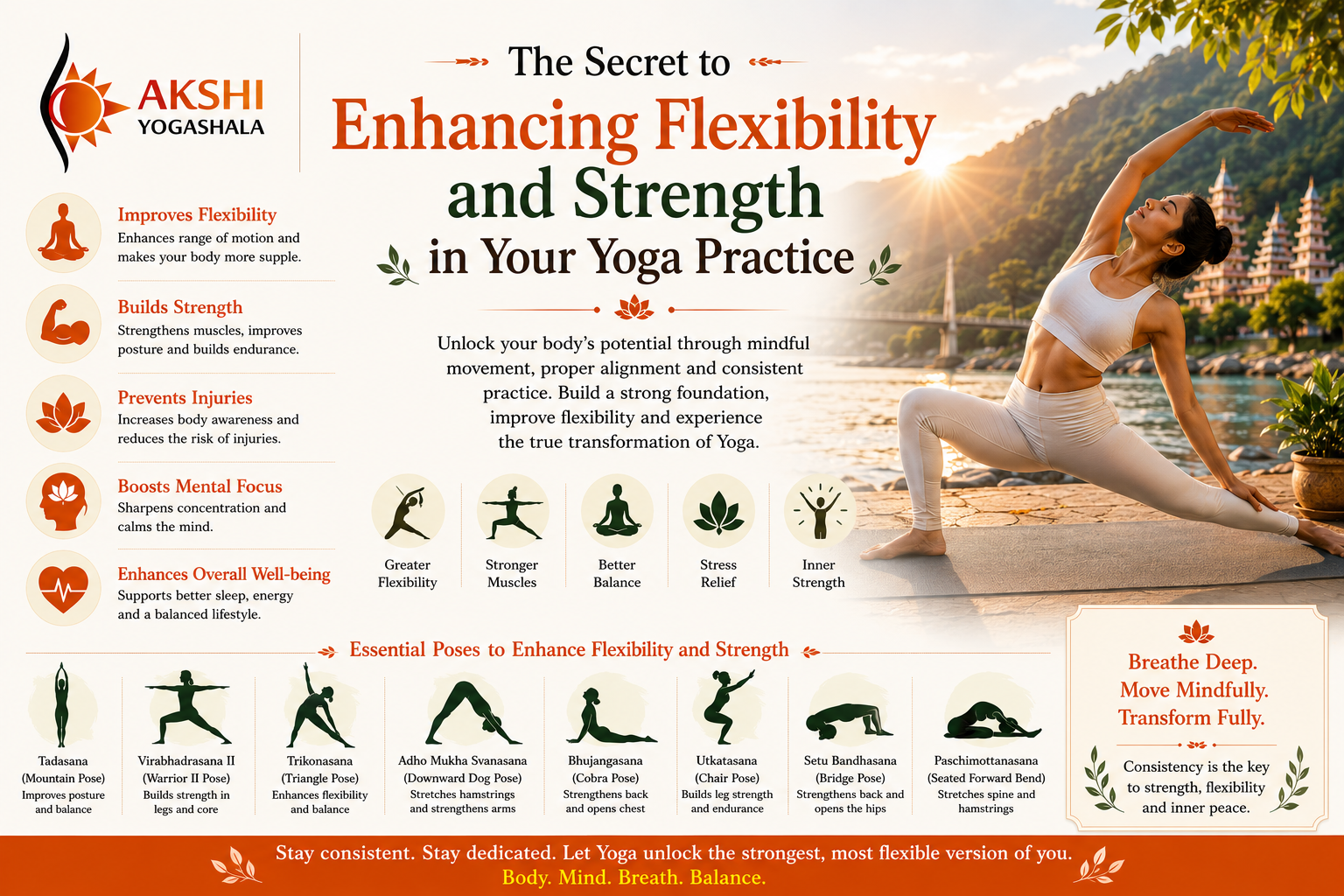
Yoga is a popular form of exercise that can be used to improve flexibility and strength. While some people may think that yoga is only for people who are looking to improve their flexibility, it can actually be quite beneficial for people of all fitness levels. Here are some of the benefits of yoga:
1. Yoga can help to improve your flexibility.
If you are looking to improve your flexibility, then yoga is definitely something you should consider adding to your workout routine. Over time, regular yoga practice can help to increase your range of motion and make it easier for you to perform everyday activities.
2. Yoga can help to build strength.
In addition to improving flexibility, yoga can also help you build strength. As you hold each pose, you are working against gravity and building up muscular endurance. This can lead to improved strength and stamina over time.
3. Yoga can help improve your balance and posture.
Practicing yoga on a regular basis can also help improve your balance and posture. This is because many of the poses require you to maintain proper alignment while keeping your body stable. Over time, this can help reduce pain in the lower back and neck as well as improve your overall posture.
How to Enhance Flexibility with yoga
If you want to enhance your flexibility and strength in your yoga practice, there are a few things you can do. First, focus on your breath. Taking deep, full breaths will help you to relax and lengthen your muscles. Second, be sure to warm up before you start practicing. A simple sun salutation or some gentle stretches will do the trick. Third, go slowly and mindfully when you’re first starting out. Don’t try to push yourself too hard; instead, focus on each movement and how it feels in your body. Fourth, listen to your body and don’t overdo it. If something doesn’t feel right, back off or modify the pose. And finally, practice regularly! The more you do it, the better you’ll become at enhancing your flexibility and strength.
How to Increase Strength with Yoga
In order to increase strength with yoga, it is important to focus on three key areas: alignment, engagement and breath.
When it comes to alignment, it is important to make sure that your body is properly aligned in each yoga pose. This will help you to get the most out of the pose and avoid injury.
Engagement is another key element when it comes to increasing strength with yoga. It is important to engage your muscles in each pose so that you are working them effectively.
Breath is also an important factor in increasing strength with yoga. Breath helps to oxygenate the blood and gives you more energy to work with. Make sure to breathe deeply and slowly in each pose.
Different Types of Yoga to Try
Yoga is a great way to improve flexibility and strength, but there are many different types of yoga to choose from. If you’re not sure where to start, here are some different types of yoga to try:
1. Hatha Yoga: Hatha yoga is a good choice for beginners. It’s a slow-paced form of yoga that focuses on gentle stretching and breathing exercises.
2. Vinyasa Yoga: Vinyasa yoga is a more active form of yoga that can help improve your stamina and strength. It involves flowing through a series of poses in a continuous, fluid motion.
3. Iyengar Yoga: Iyengar yoga is perfect for those who want to focus on alignment and precision in their practice. It uses props such as blocks and straps to help you achieve the correct alignment in each pose.
4. Bikram Yoga: Bikram yoga is conducted in a hot room, which can help loosen your muscles and allow you to go deeper into each pose. It’s an intense workout, so be prepared to sweat!
5. Kundalini Yoga: Kundalini yoga combines physical postures, breath work, and chanting or mantra repetition to raise your energy levels and promote inner transformation.
Modifications and Props for Strength Training in Yoga
There are a few modifications and props that can be used to enhance the strength-training benefits of your yoga practice.
One modification is to use a yoga strap or belt around your thighs when doing postures such as Warrior I or II. This will help to engage your thigh muscles more fully and challenge them with a greater range of motion.
Another modification is to prop one foot up on a chair or block when doing standing postures such as Triangle Pose. This helps to increase the range of motion in your hips and also challenges your balance.
Using props such as dumbbells, resistance bands, or even household objects such as canned goods can help you add some extra resistance to poses such as arm balances or Camel Pose. This will help build strength in your arms, shoulders, and core muscles.
Tips for Maintaining Flexibility and Strength Over Time
1. As we age, our bodies become less flexible and more prone to injury. However, there are a few things we can do to help maintain our flexibility and strength.
2. First, it’s important to warm up before starting your yoga practice or any physical activity. A simple warm-up could include some light cardio and stretching.
3. Second, be sure to listen to your body and don’t push yourself too hard. If you feel pain, stop and rest.
4. Third, focus on your breath and make sure you’re breathing deeply and slowly throughout your practice. This will help you stay present and focused as well as prevent injuries.
5. Take time to cool down after your practice with some gentle stretches or relaxation techniques like savasana (corpse pose).
Conclusion
To sum up, enhancing flexibility and strength in your yoga practice requires a lot of dedication and hard work. It is important to understand the basics before delving into more complex poses and sequences; this will ensure that you are able to practice safely while still challenging yourself. Additionally, it is essential to listen to your body carefully as you progress through each pose so that you can adjust accordingly if needed. By consistently engaging in mindful movement with attention, focus, patience, and breath control–you’ll soon be achieving the extraordinary!
By joining a 200 Hour Yoga Teacher Training in Rishikesh, you not only enhance your personal practice but also gain the knowledge to guide others on their wellness journey.