

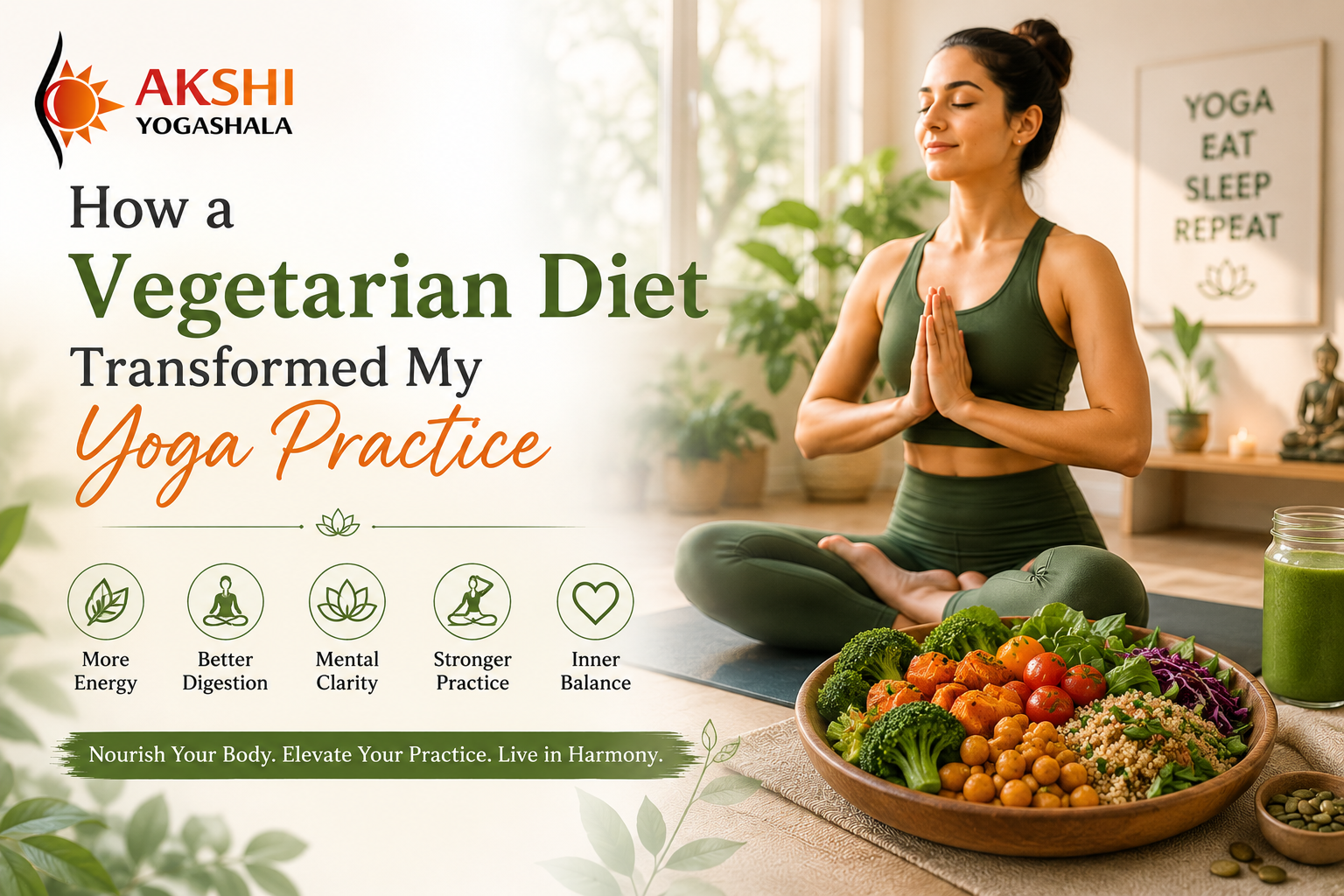
When I first stepped onto the yoga mat, I was just seeking a way to unwind and stretch after long days. Little did I know that my journey would lead me to something far more transformative than simple relaxation. As I explored deeper into my practice, I stumbled upon a surprising ally on this path—vegetarianism. From increased energy levels to enhanced mental clarity, adopting a plant-based diet has redefined not only how I flow through Sun Salutations but also how I approach life off the mat. Join me as I share my personal story of transformation and discover how nourishing your body with vibrant, wholesome foods can elevate your yoga practice in ways you never imagined!
Introduction to the connection between vegetarianism and yoga
Yoga and vegetarianism have long been intertwined, each offering pathways to self-discovery and well-being. As I rolled out my mat for the first time years ago, little did I know that embracing a vegetarian diet would significantly enhance my practice. The connection between what we eat and how we feel is profound, especially in yoga, where mindfulness reigns supreme.
This blog post will explore my personal journey of transforming both body and mind through plant-based eating alongside my yoga routine. Join me as I delve into the benefits of incorporating vegetarian food into your lifestyle and share tips on how you can nourish yourself while enhancing your yoga experience. Whether you’re a seasoned yogi or just starting out, there’s something here for everyone eager to find balance through diet and movement.
My personal experience with being vegetarian and practicing yoga
Transitioning to a vegetarian diet was both a challenge and revelation for me. At first, I struggled with cravings and doubt. Would I miss the flavors of my favorite meals?
As I explored plant-based cooking, I discovered an entire world of vibrant ingredients. Each meal felt like a new adventure. The colors alone energized my kitchen.
Practicing yoga during this time deepened my connection to mindfulness. With every pose, I noticed how lighter and more flexible my body became. It was as if the food choices were aligning perfectly with my practice.
My energy levels soared; not just on the mat but in everyday life too. Focusing on nourishing foods made it easier to listen to what my body truly needed.
This journey taught me that being vegetarian is about more than just diet—it’s an evolution toward holistic wellbeing intertwined with each breath on the mat.
The benefits of a vegetarian diet for yoga practitioners
A vegetarian diet offers numerous advantages for those who practice yoga. One of the most significant benefits is increased energy levels. Plant-based foods are often rich in carbohydrates, which fuel your body during intense yoga sessions.
Moreover, a vegetarian diet tends to be high in nutrients and antioxidants. These elements support muscle recovery and enhance overall vitality—essential for maintaining stamina on the mat.
Digestive health improves as well. Many vegetarian foods are fiber-rich, promoting better digestion and reducing bloating. This can lead to more comfortable movements during poses.
Additionally, many yogis find that a plant-based lifestyle fosters mindfulness around food choices. The connection between what you eat and how you feel becomes clearer, enhancing both physical performance and mental clarity on your journey through yoga practice.
How a plant-based diet can improve physical and mental wellbeing for yogis
A plant-based diet offers a wealth of benefits for yogis, enhancing both physical and mental well-being. Rich in vitamins, minerals, and antioxidants, vegetarian food fuels the body with necessary nutrients. This nourishment promotes better flexibility, strength, and stamina during yoga practice.
Moreover, whole foods like fruits and vegetables support recovery by reducing inflammation. This means less soreness after long sessions on the mat.
On a mental level, opting for plant-based meals can elevate mood and energy levels. Certain foods are known to boost serotonin production—the brain’s feel-good chemical—leading to improved focus during meditation or challenging poses.
Mindful eating is also easier when consuming fresh produce. It fosters an awareness that translates seamlessly into your practice.
By nurturing your body with vibrant vegetarian dishes, you create a harmonious balance that resonates deeply within each pose you take.
Tips for incorporating more plant-based foods into your diet
Start small by swapping your usual lunch with a hearty salad packed with colorful veggies. Experimenting with different dressings can make it exciting.
Try meatless Mondays to ease into a vegetarian lifestyle. This simple change allows you to explore various plant-based recipes without feeling overwhelmed.
Snacks are an easy place to add more plants. Opt for hummus and veggie sticks or a handful of nuts instead of chips.
Explore grains like quinoa, farro, or brown rice as meal bases. These options are not only nutritious but also filling and versatile.
Don’t forget smoothies! Blend your favorite fruits with spinach or kale for a nutrient boost that’s deliciously refreshing.
Visit local farmers’ markets to discover fresh produce in season. It’s a fantastic way to support local agriculture while enjoying vibrant flavors.
Recipes for healthy, vegetarian meals that complement a yoga practice
Whipping up healthy vegetarian meals can be a delightful experience, especially when you’re nurturing your yoga practice. Consider starting your day with a vibrant smoothie bowl. Blend spinach, banana, and almond milk for a refreshing base. Top it off with chia seeds, nuts, and fresh berries for added nutrients.
For lunch or dinner, try quinoa salad packed with colorful veggies like bell peppers and cherry tomatoes. Drizzle some lemon juice and olive oil to elevate the flavors while keeping it light.
Snacks are just as important! Roasted chickpeas seasoned with cumin and paprika deliver protein without weighing you down.
On chilly evenings, indulge in a warming lentil soup filled with carrots and celery. It’s perfect for recovery after an intense yoga session.
Each of these dishes not only complements your practice but also fuels your body mindfully through plant-based nutrition.
Addressing common misconceptions about vegetarianism and yoga
Many people believe that vegetarianism lacks sufficient protein for an active lifestyle, especially for yogis. However, plant-based foods like lentils, quinoa, and chickpeas offer ample protein to fuel your practice.
Another misconception is that vegetarian diets are boring or lacking in flavor. In reality, the variety of fruits, vegetables, herbs and spices available today creates endless culinary possibilities that can be both vibrant and delicious.
Some assume that yoga practitioners need animal products to maintain their energy levels. Yet countless athletes thrive on plant-based diets without sacrificing performance.
Additionally, there’s a belief that vegetarianism requires extreme commitment. The truth is you can start small by simply adding more vegetarian meals into your week.
These misconceptions often stem from outdated ideas about nutrition and wellness. Embracing a balanced diet rich in plant-based foods can enhance both your yoga journey and overall health.
Conclusion: Encouraging readers to try incorporating more plant-based foods into their diets for an enhanced yoga practice.
Exploring a vegetarian diet has been a transformative journey for my yoga practice. By embracing plant-based foods, I’ve noticed significant improvements in both my physical abilities and mental clarity on the mat. The energy derived from wholesome, vibrant meals fuels my sessions and encourages deeper connections with each pose.
Trying out new vegetarian recipes has added variety to my routine and made healthy eating enjoyable. The benefits extend beyond just improved flexibility or strength; they include enhanced focus during meditation and an overall sense of well-being that keeps me grounded throughout the day.
If you’re curious about how vegetarian food can enrich your yoga experience, I encourage you to experiment with incorporating more plant-based options into your meals. Whether it’s swapping meat for legumes, adding leafy greens to smoothies, or trying out hearty grain bowls filled with colorful veggies—there’s so much to discover. Your body will thank you as it becomes nourished by nature’s finest offerings. Embrace this journey towards better health; who knows what transformations await you?